How to Choose the Right House Plan for Your Lot
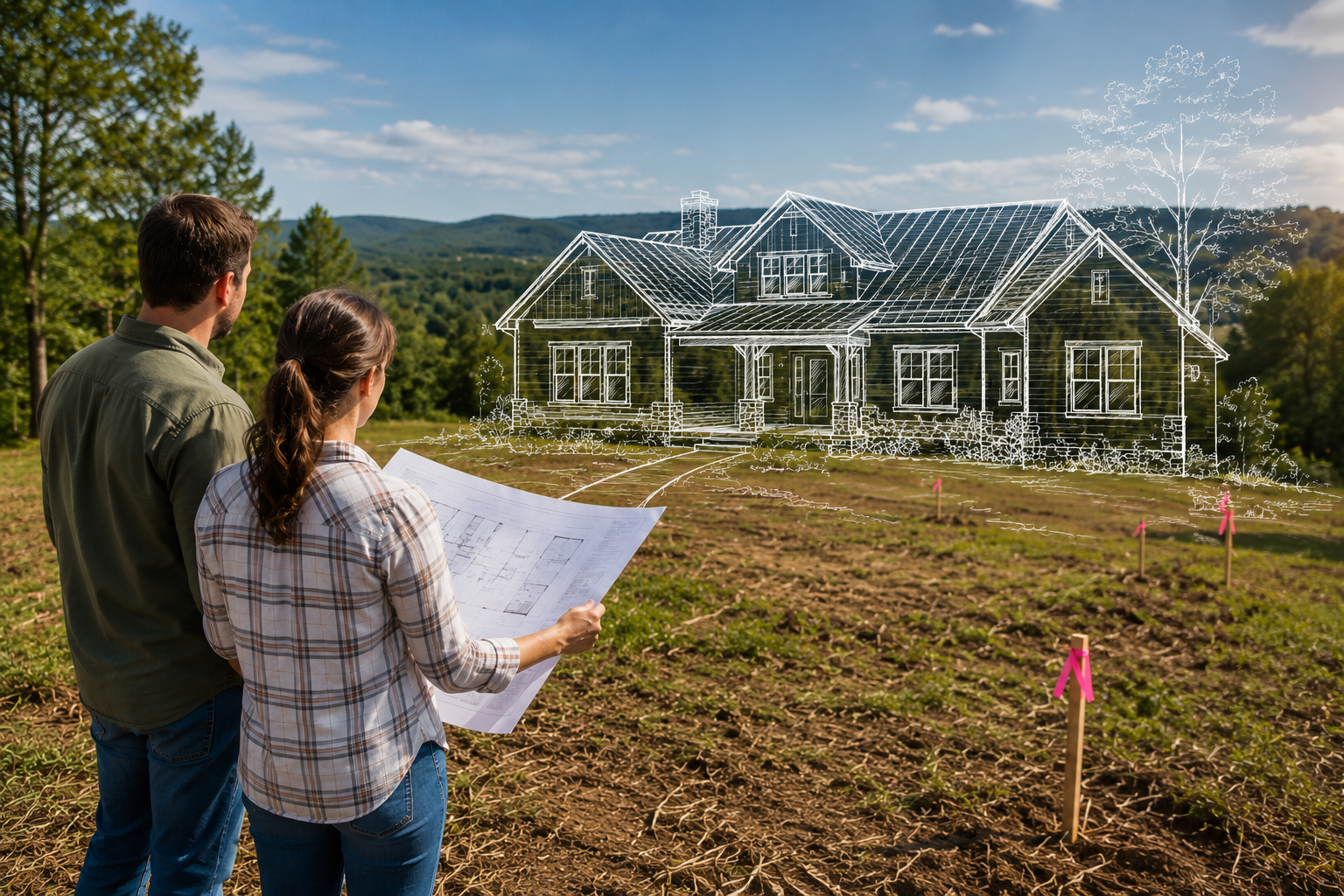
Finding the perfect house plan is exciting, but before you fall in love with a design, it's important to make sure it will actually fit your property. A beautiful floor plan that works perfectly on one lot may not work at all on another.
Understanding your lot's size, shape, slope, and orientation can help you choose a home that not only fits but also takes full advantage of your property's unique features.
Start With Your Lot Size
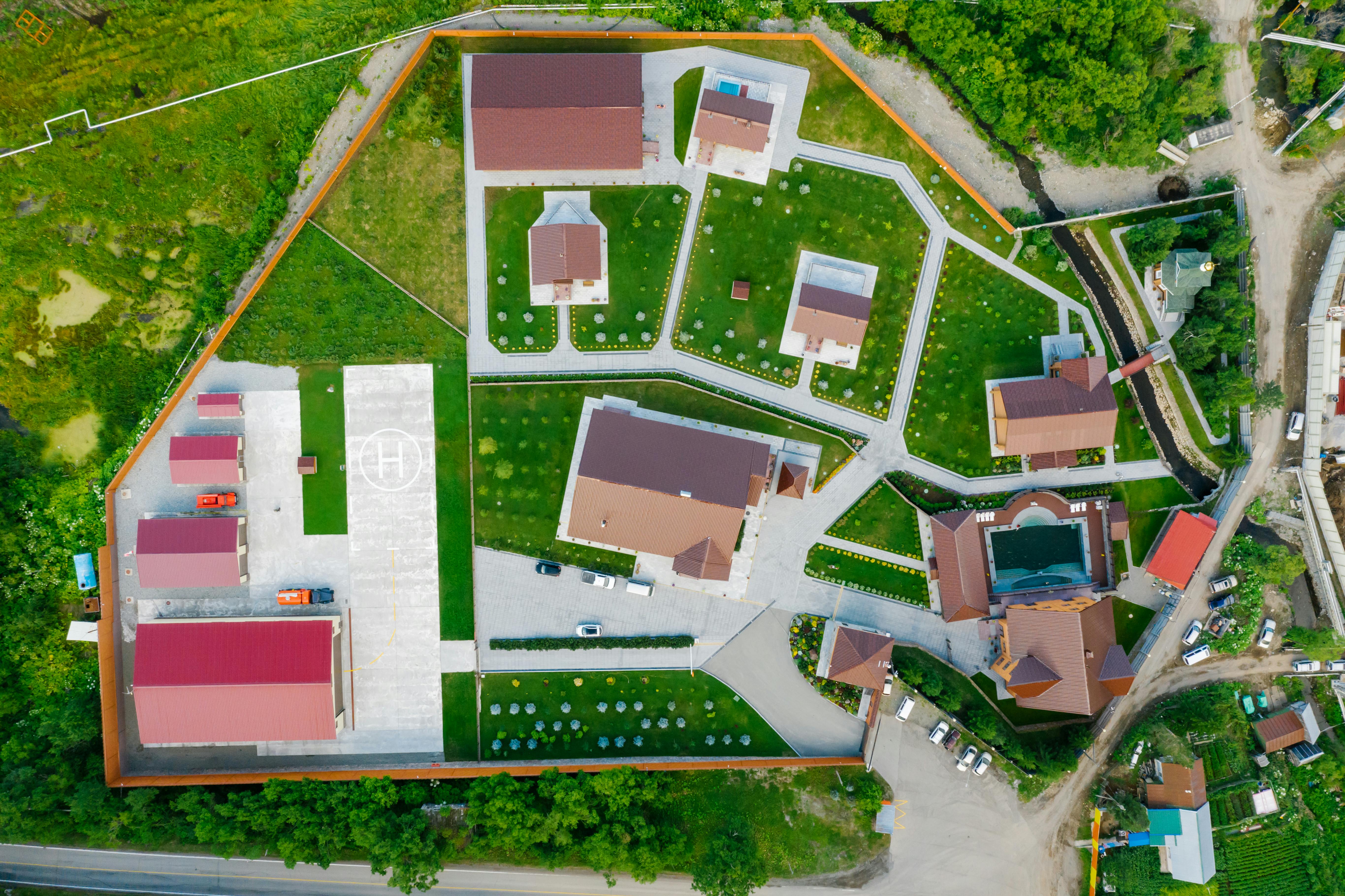
One of the first things to consider is the overall size and dimensions of your lot.
A plan may list a home width of 70 feet, but that doesn't mean it will fit on a 70-foot-wide lot. You'll also need to account for required setbacks, driveways, utility easements, and outdoor living areas.
Before choosing a plan, ask yourself:
How wide is my lot?
How deep is my lot?
Do I need space for a garage, workshop, or future additions?
Is the lot narrow, wide, or irregularly shaped?
If you're building on a smaller lot, you may want to look for plans specifically designed for narrow lots. Larger lots offer more flexibility and can accommodate wider floor plans, detached garages, and expansive outdoor living spaces.
Understand Setback Requirements
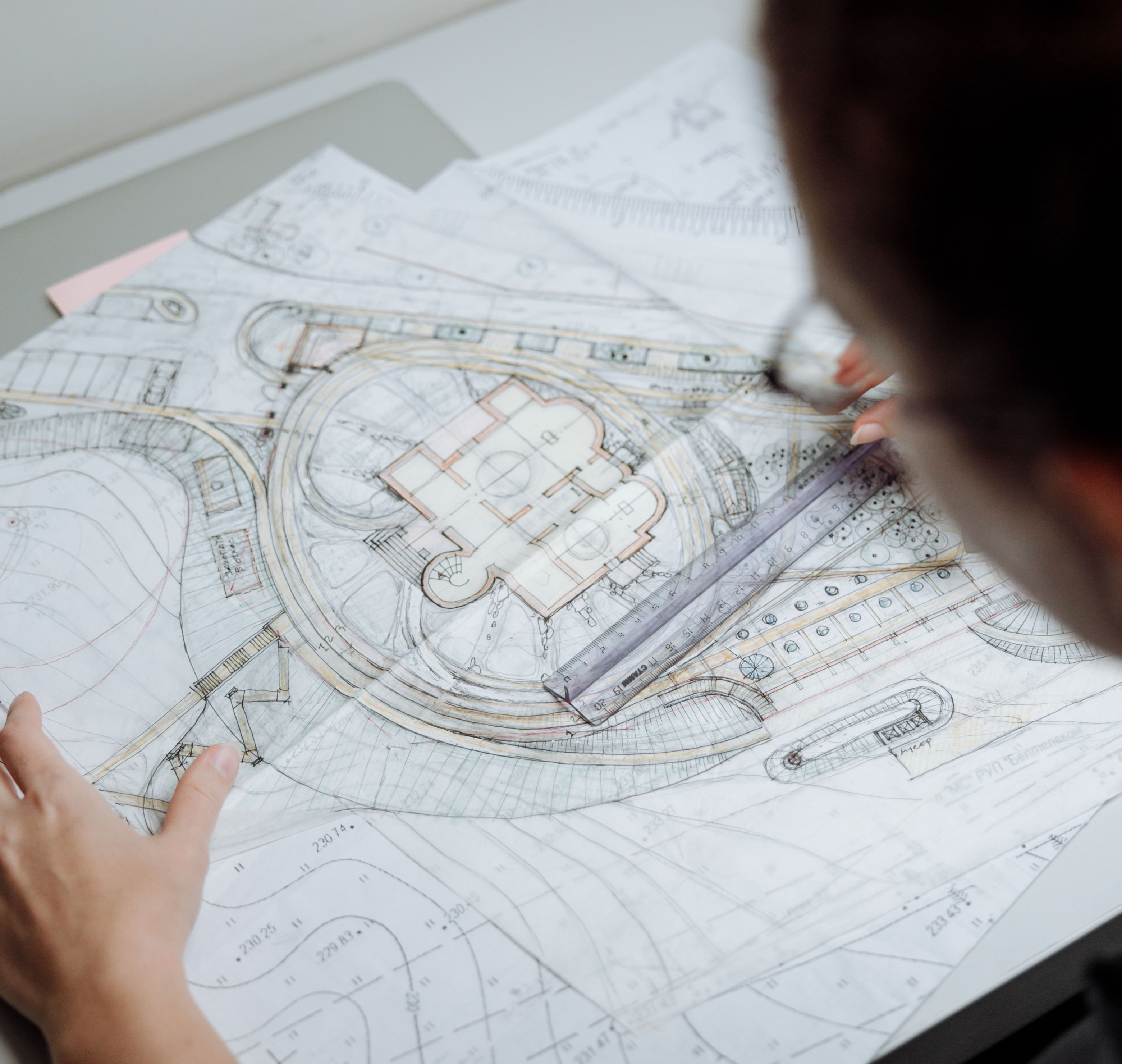
Setbacks are the minimum distances your home must be positioned from property lines, roads, and sometimes neighboring structures.
These requirements vary by location and can significantly affect which house plans will work on your property.
For example, a lot may be 100 feet wide, but if local regulations require 15-foot setbacks on both sides, the actual build-able width is only 70 feet.
Before purchasing a plan, check with your local building department or planning office to determine:
Front setback requirements
Side setback requirements
Rear setback requirements
Any special zoning restrictions
Knowing these measurements early can save time, money, and frustration later in the process.
Consider the Slope of the Land
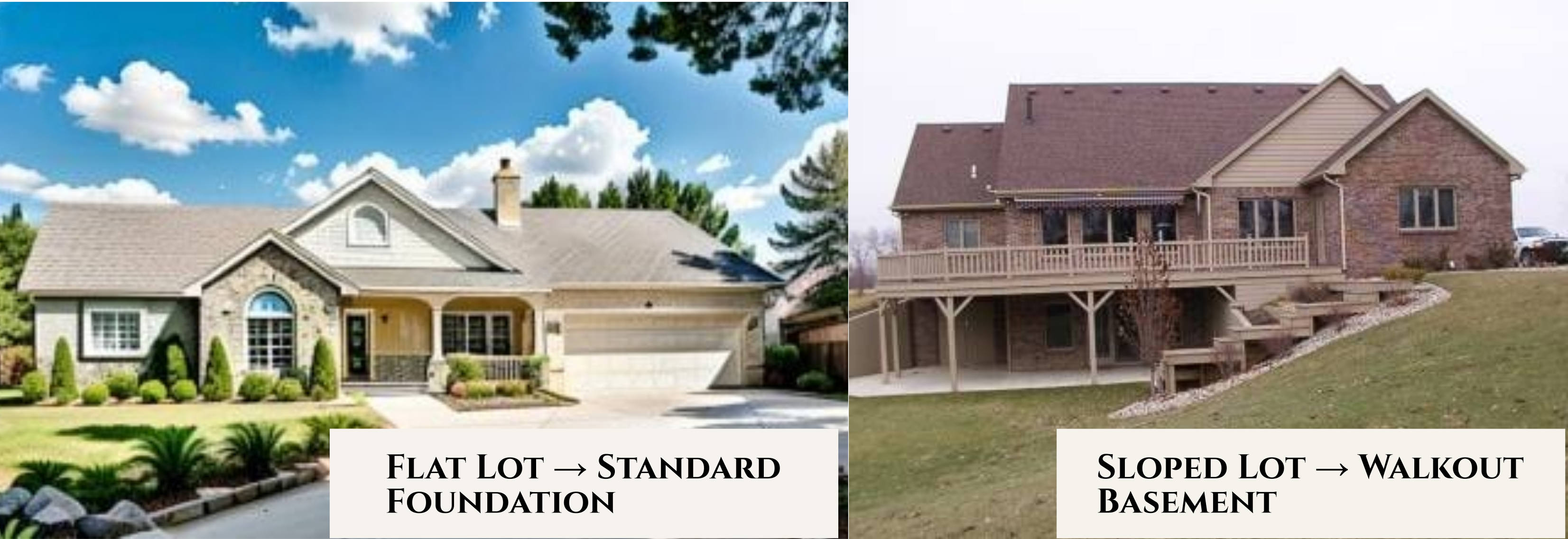
The terrain of your lot plays a major role in determining which foundation type and house design will work best.
Flat Lots
Flat lots are generally the simplest and most affordable to build on. Most standard slab, crawlspace, or basement foundations can work well on relatively level ground.
Sloping Lots
A sloped lot may require a more specialized design, but it can also create opportunities for stunning features such as:
Walkout basements
Daylight basements
Elevated decks with views
Multi-level living spaces
Building a home designed specifically for a sloping site can often reduce excavation costs and create a more natural fit with the landscape.
Think About Home Orientation
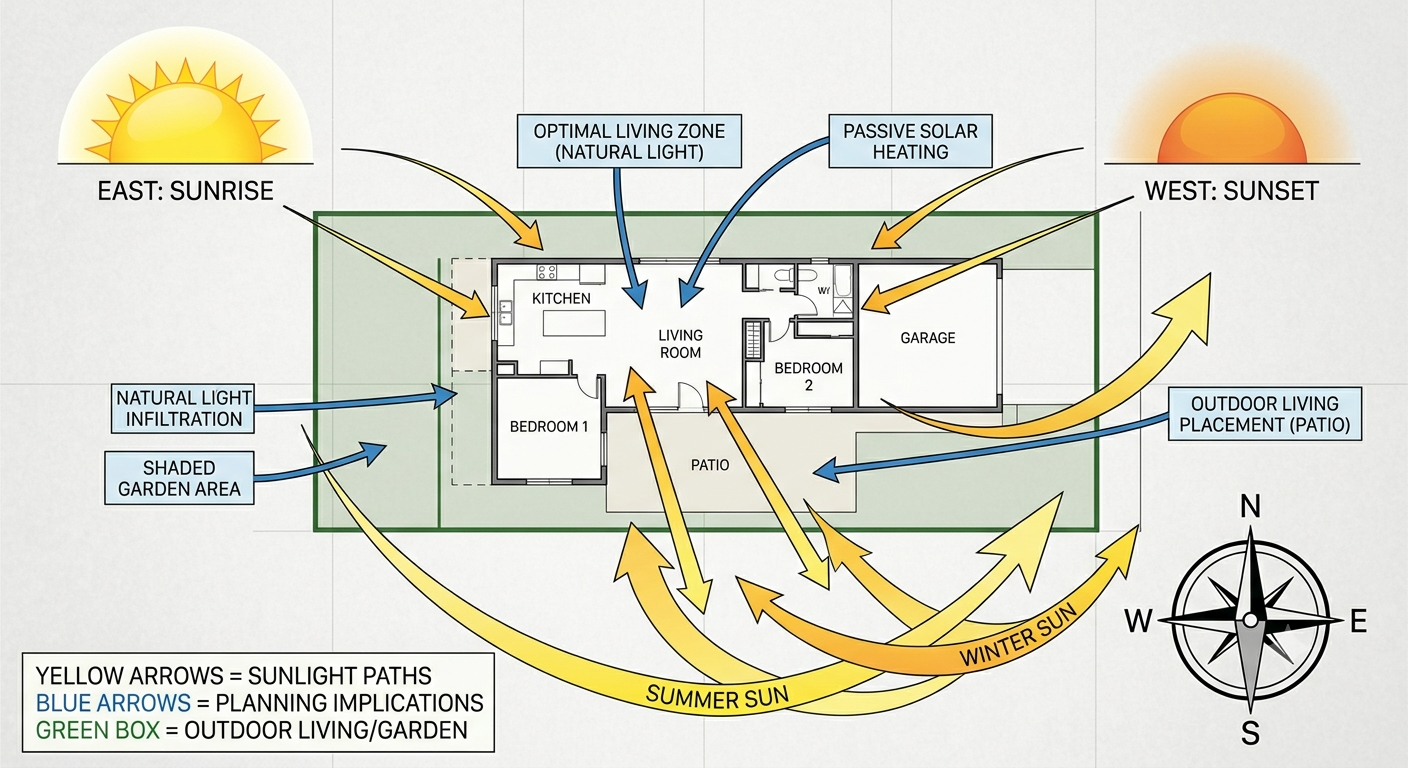
The direction your home faces can affect everything from energy efficiency to daily comfort.
When selecting a plan, consider:
Natural Light
South-facing windows can bring in abundant natural light throughout the day, while north-facing rooms typically receive softer, more consistent lighting.
Views
If your lot offers beautiful scenery, you may want to position main living areas, decks, and large windows to capture those views.
Outdoor Living Spaces
Consider when you'll be using outdoor areas. A rear patio facing west may provide beautiful sunsets but could also become quite warm during summer afternoons.
Energy Efficiency
Proper orientation can help maximize natural heating in winter and reduce cooling costs in summer, depending on your climate.
Don't Forget Future Needs
While it's easy to focus on your current lifestyle, it's also worth considering how your needs may change over time.
Think about:
Future family growth
Aging-in-place considerations
Storage requirements
Outdoor recreation space
Home office needs
Choosing a plan that works both now and years from now can save the expense of major renovations later.
Use Our Lot Analysis Tool
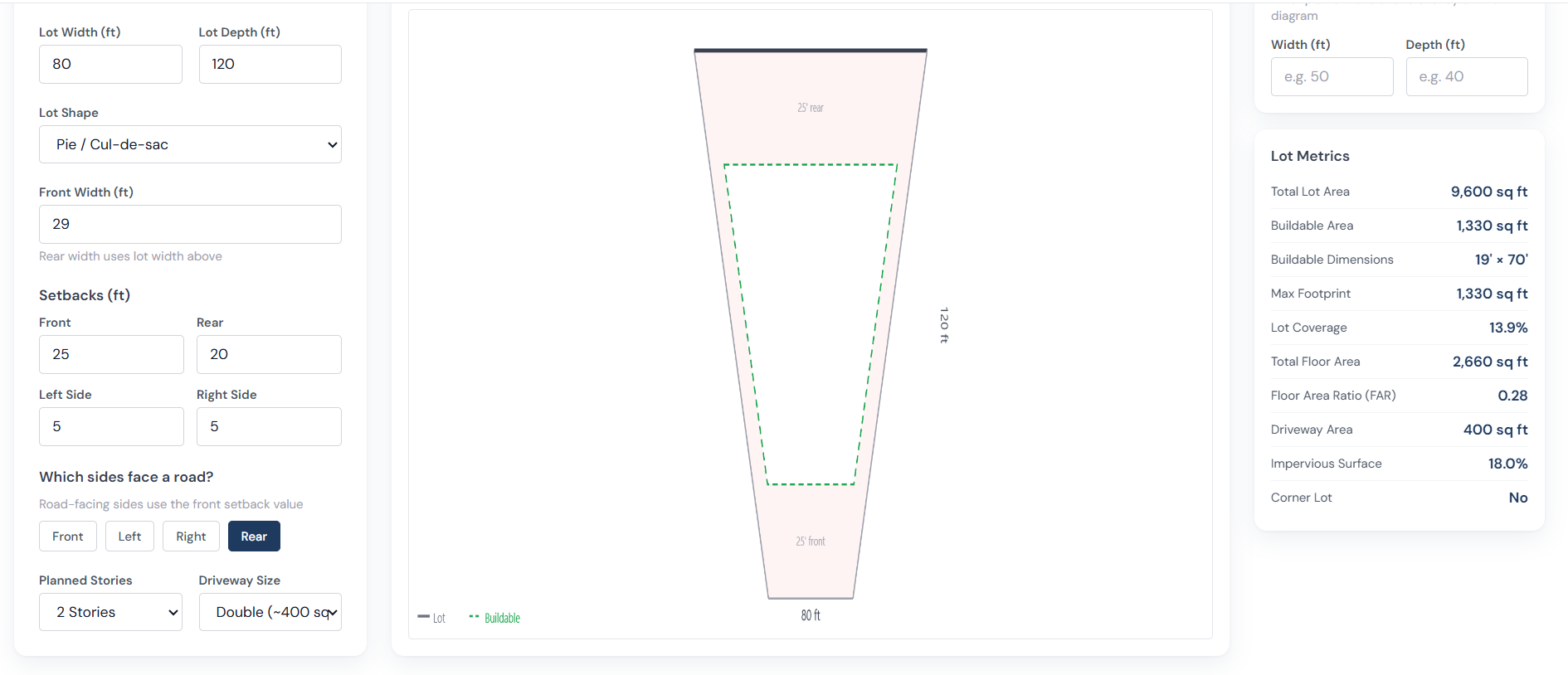
Not sure whether a plan will fit your property?
Our Lot Analysis Tool can help you evaluate your lot's dimensions and building constraints before making a final decision. By reviewing important factors such as lot size, setbacks, and build-able area, you can narrow down your options and focus on plans that are a better match for your property.
It's a simple way to avoid surprises and gain confidence that the home you love will work on the lot you own.
Final Thoughts
Choosing a house plan isn't just about finding a layout you love—it's about finding a design that works with your land. By considering lot size, setbacks, slope, and home orientation early in the process, you'll be better prepared to select a home that fits beautifully on your property and supports your lifestyle for years to come.
A little planning now can help ensure a smoother building process and a home that's perfectly suited to both your family and your lot.