Why Floor Plan Layout Matters More Than Square Footage
When searching for the perfect home, most people start the same way—by looking at square footage.
It feels like the easiest way to compare options. Bigger home, more space, better living… right?
Not necessarily.
In fact, one of the biggest mistakes people make when browsing house plans is focusing too much on size instead of how the home actually functions. Because the truth is, a well-designed floor plan layout can make a smaller home feel spacious, while a poorly designed larger home can feel awkward and cramped.
If you’re choosing between different home floor plans, this is something that can completely change how happy you are in your space.
The Hidden Problem with Square Footage
Square footage sounds important—and it is—but it doesn’t tell the full story.
A large home can still feel uncomfortable if the house layout design isn’t right.
You might find:
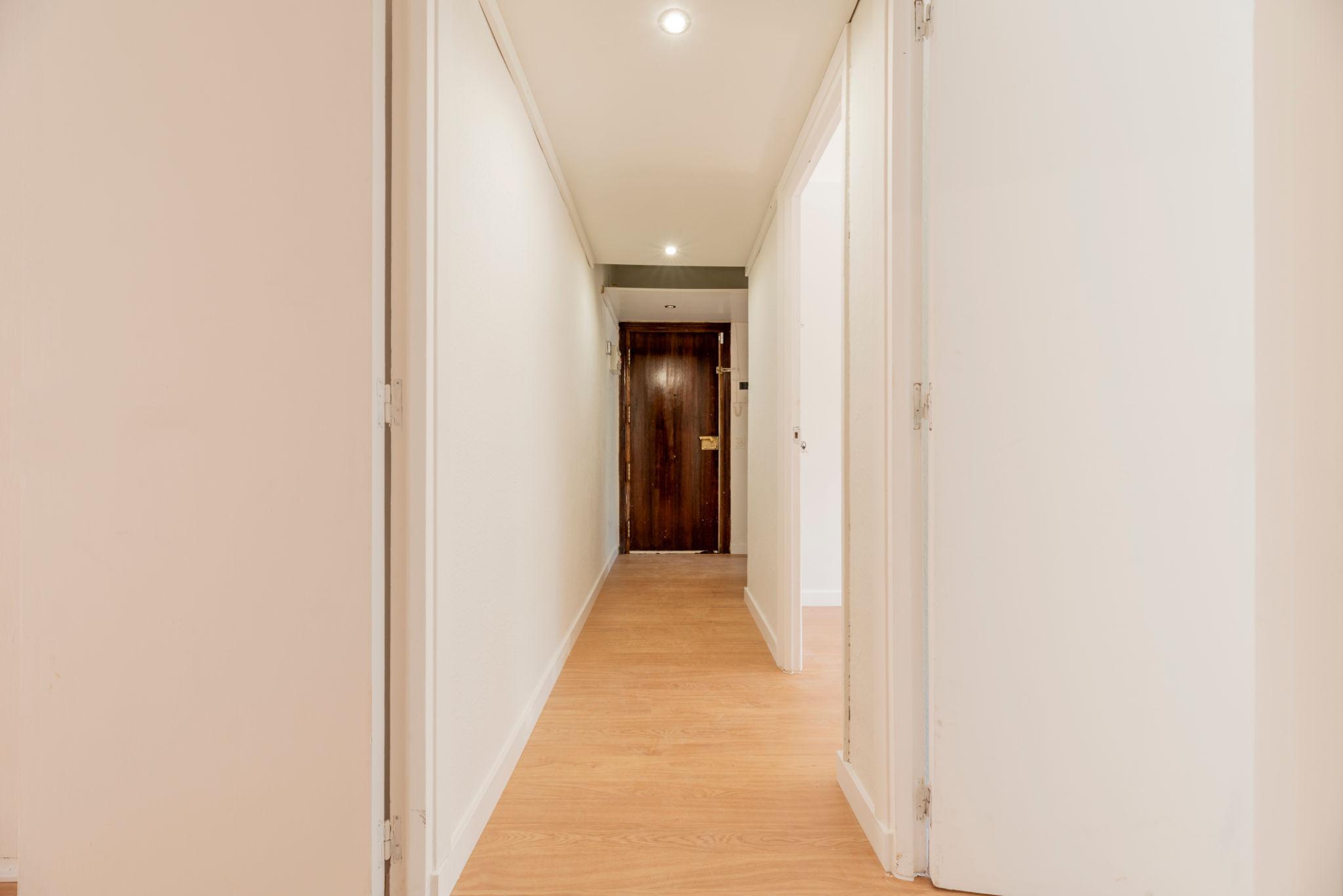
Long, wasted hallways
Rooms that feel disconnected
Spaces that don’t match how you actually live
This is where functional home design comes into play.
Because at the end of the day, you don’t live in your square footage—you live in your rooms.
Why Floor Plan Layout Changes Everything
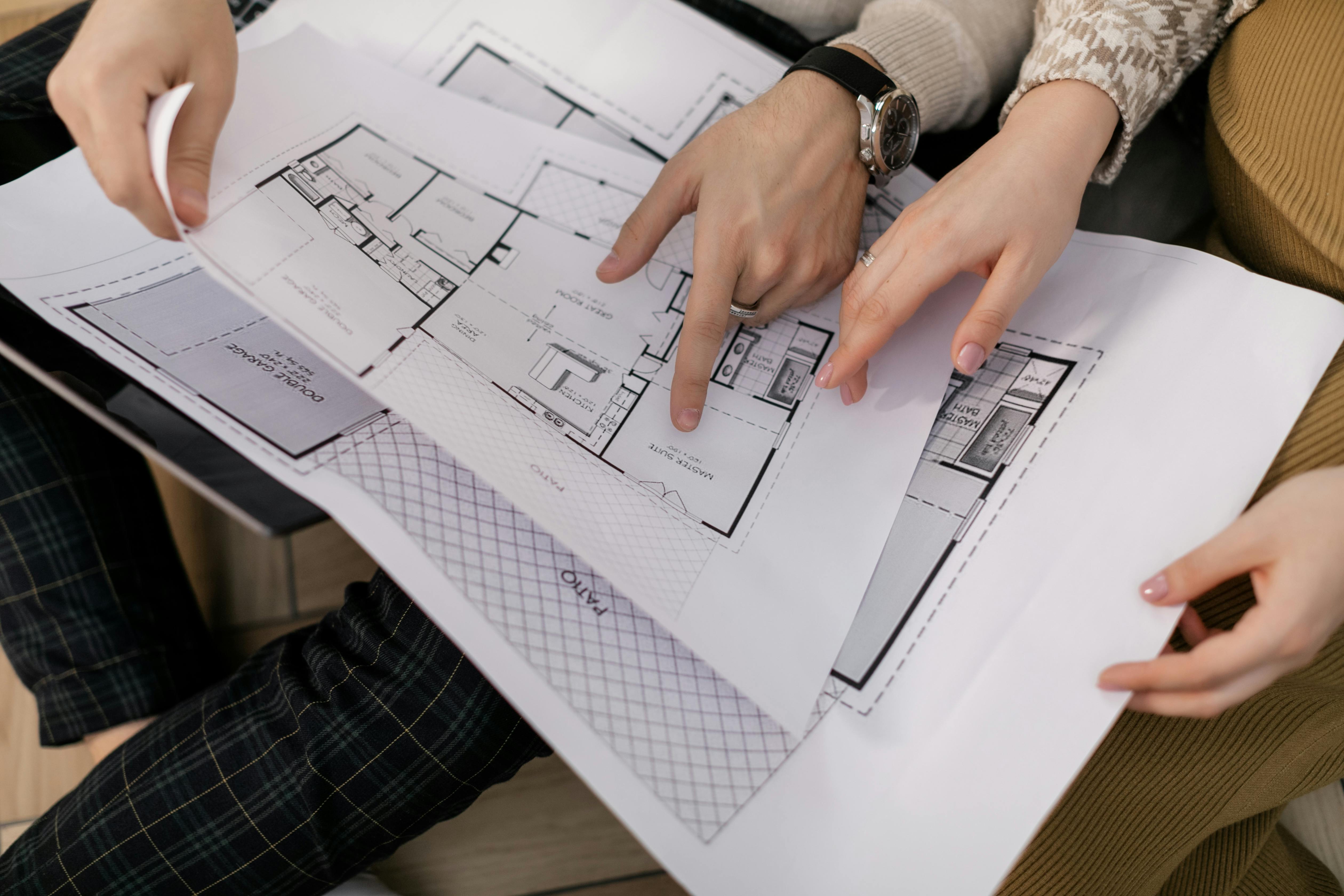
A thoughtful floor plan design focuses on how people move through a home.
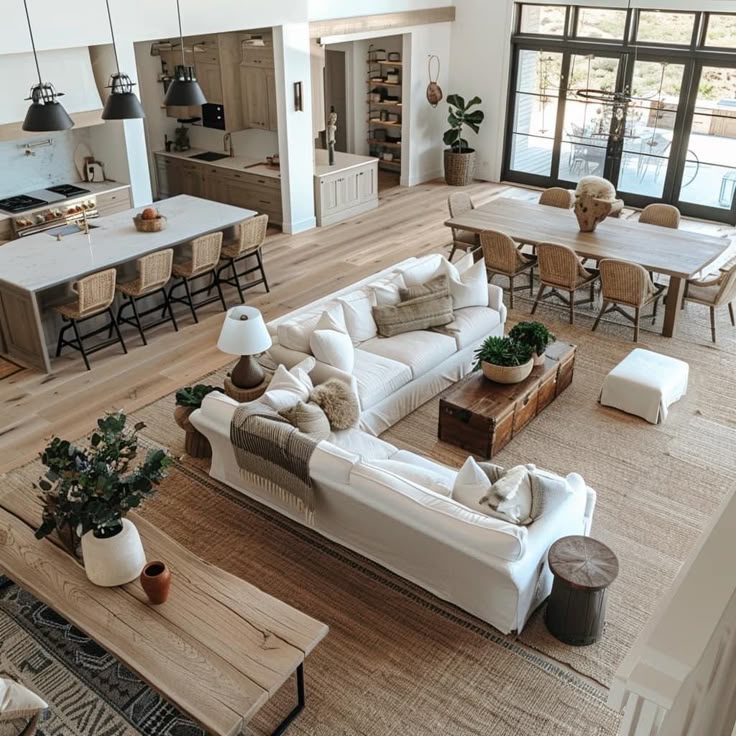
Instead of just adding space, it creates a natural flow between areas like the kitchen, dining room, and living space.
This is why open floor plans have become so popular—they make even smaller homes feel larger by improving connection and movement.
A smart layout will:
Make everyday tasks easier
Reduce unnecessary walking
Help the home feel more open and connected
When you’re browsing modern house plans, this is one of the most important things to look for.
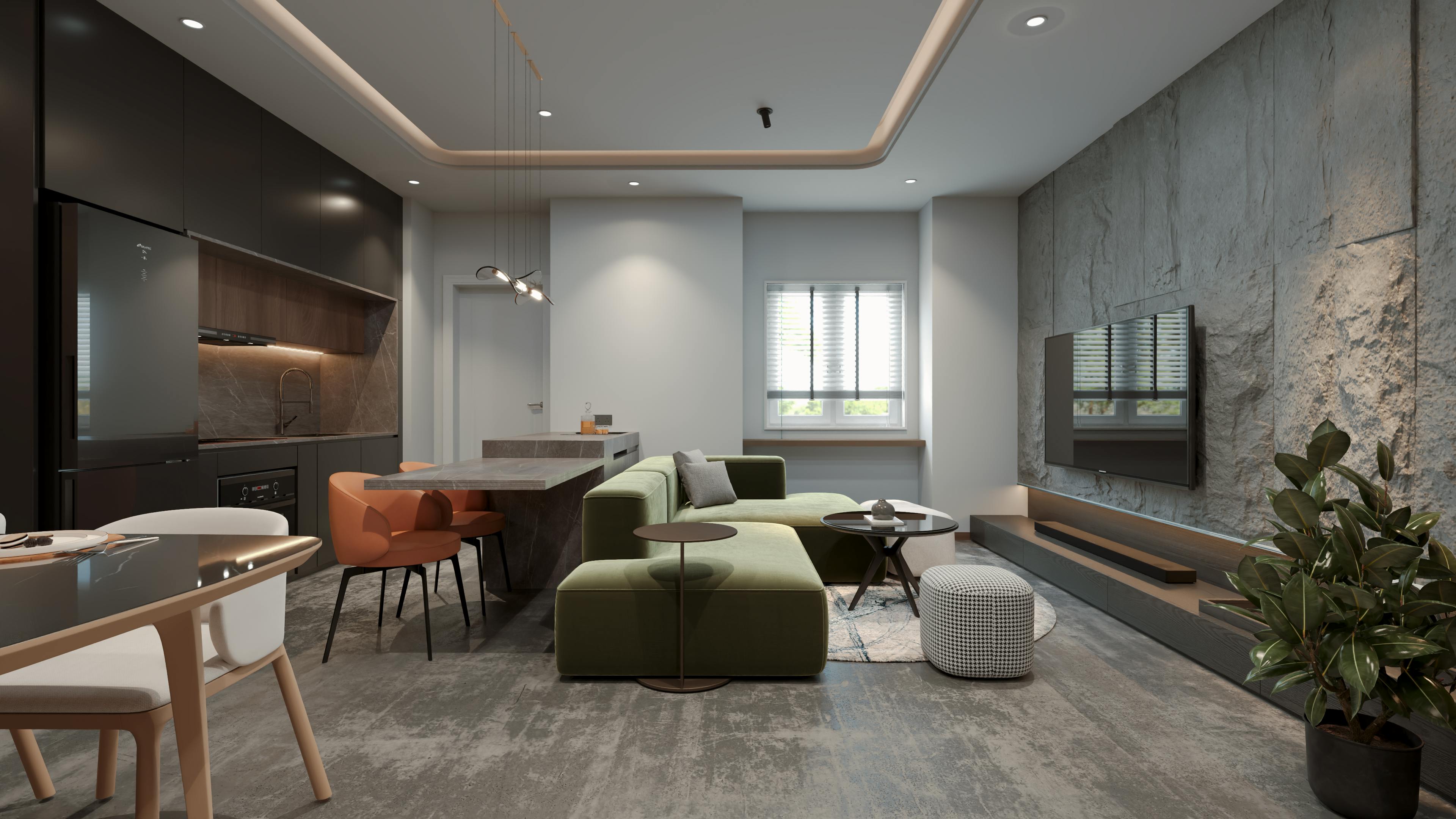
Usable Space vs. Wasted Space
Not all space is equal.
A 2,000 sq ft home filled with awkward layouts and unused areas can feel smaller than a small house plan that uses every inch wisely.
This is the difference between:
Total square footage
Usable living space
The best home layouts minimize wasted areas and focus on functionality.
That means:
Fewer long hallways
More purposeful rooms
Smart storage built into the design
If you’re looking at efficient house plans, this is where they truly shine.
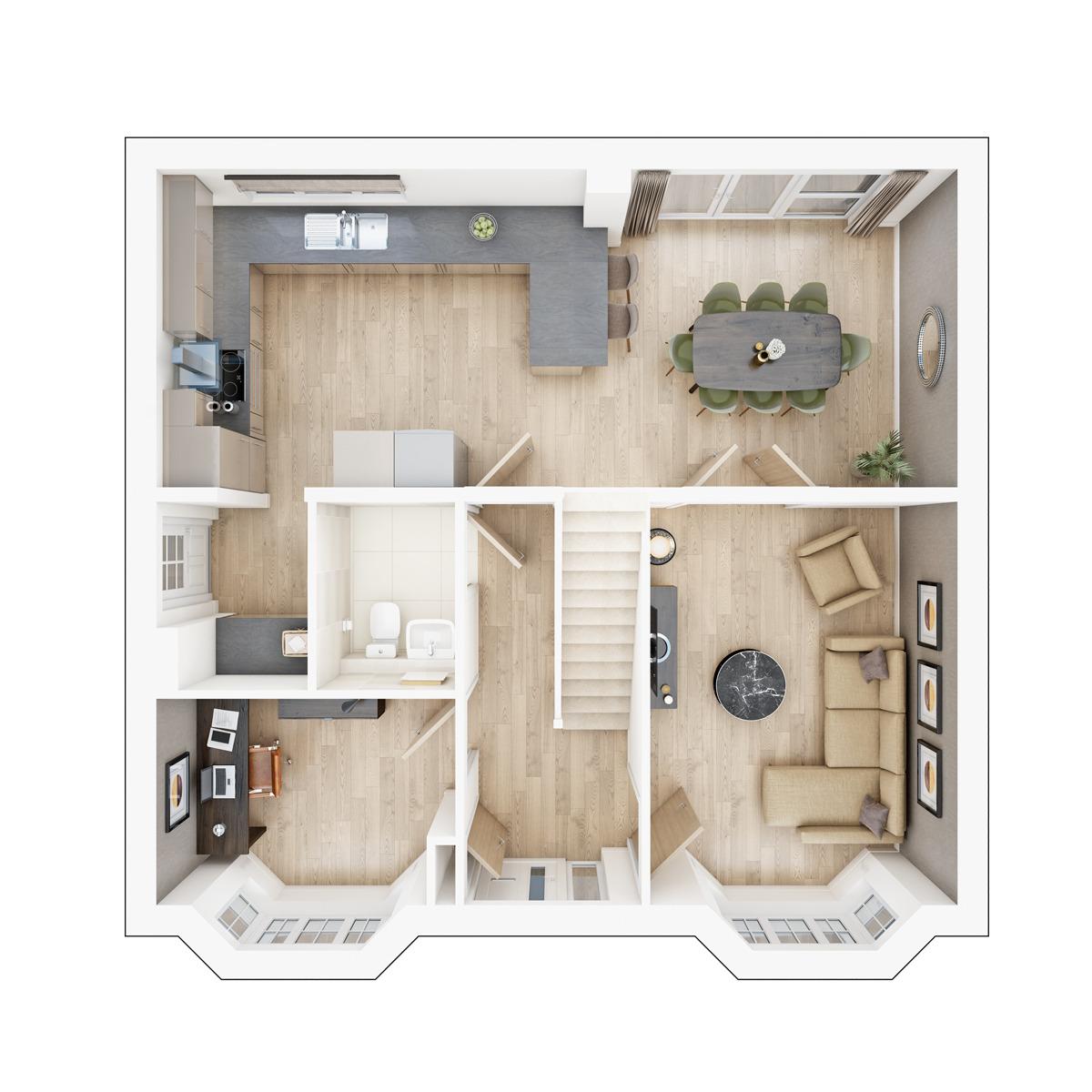
Room Placement Matters More Than Size
Even a large room won’t feel right if it’s in the wrong place.
Good home design layouts consider how each space is used daily.
For example:
Bedrooms should be away from noisy living areas
Kitchens should be close to dining spaces
Bathrooms should be easy to access
This kind of thoughtful planning is what separates a basic layout from a truly livable floor plan.
.jpg)
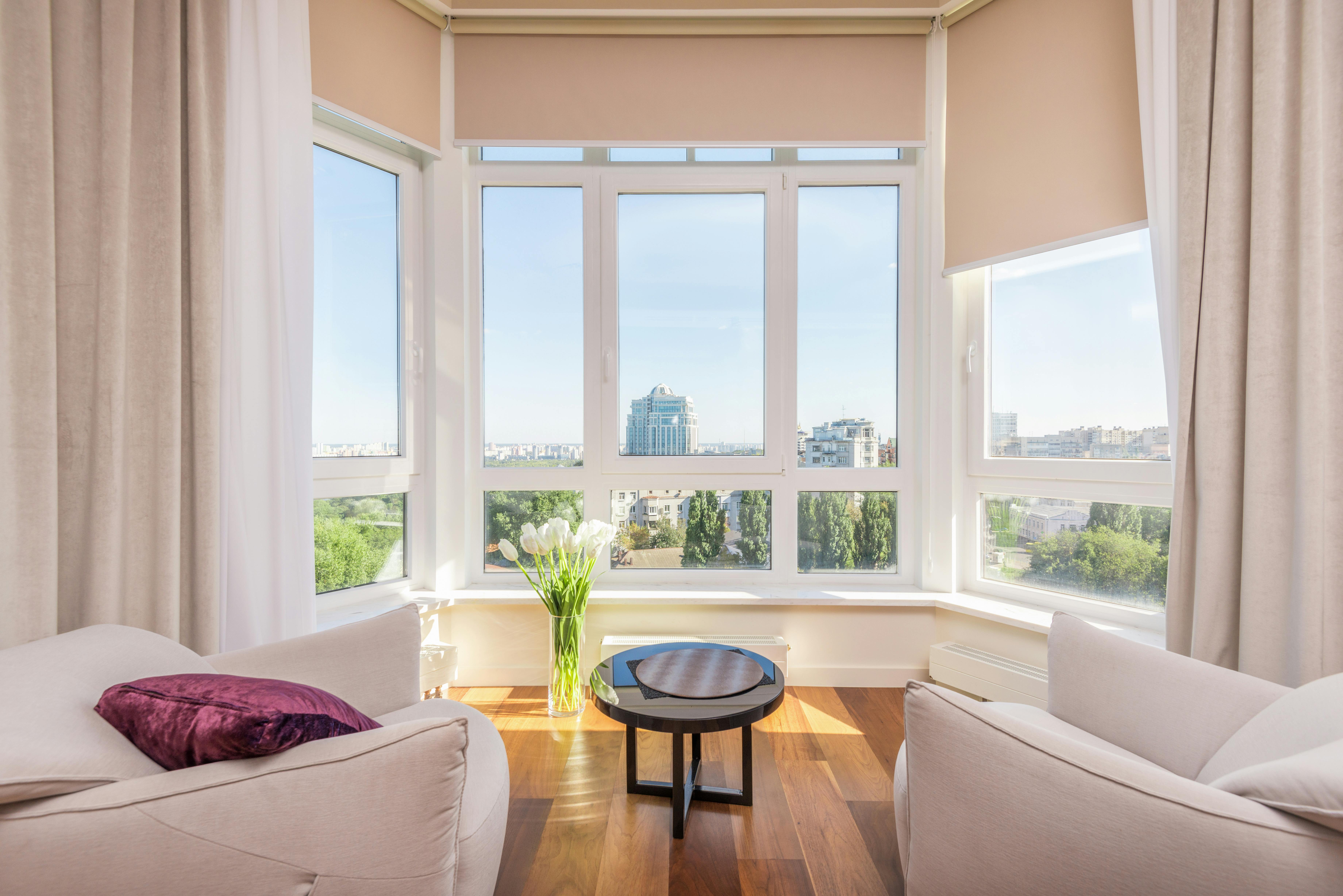
Natural Light Makes a Home Feel Bigger
One of the most overlooked aspects of house plan design is natural light.
A smaller home with large windows and a smart layout can feel bright and open, while a bigger home with poor lighting can feel closed in.
The best floor plan ideas maximize:
Window placement
Sight-lines across rooms
Connection to outdoor spaces
This creates the illusion of more space—without increasing square footage.
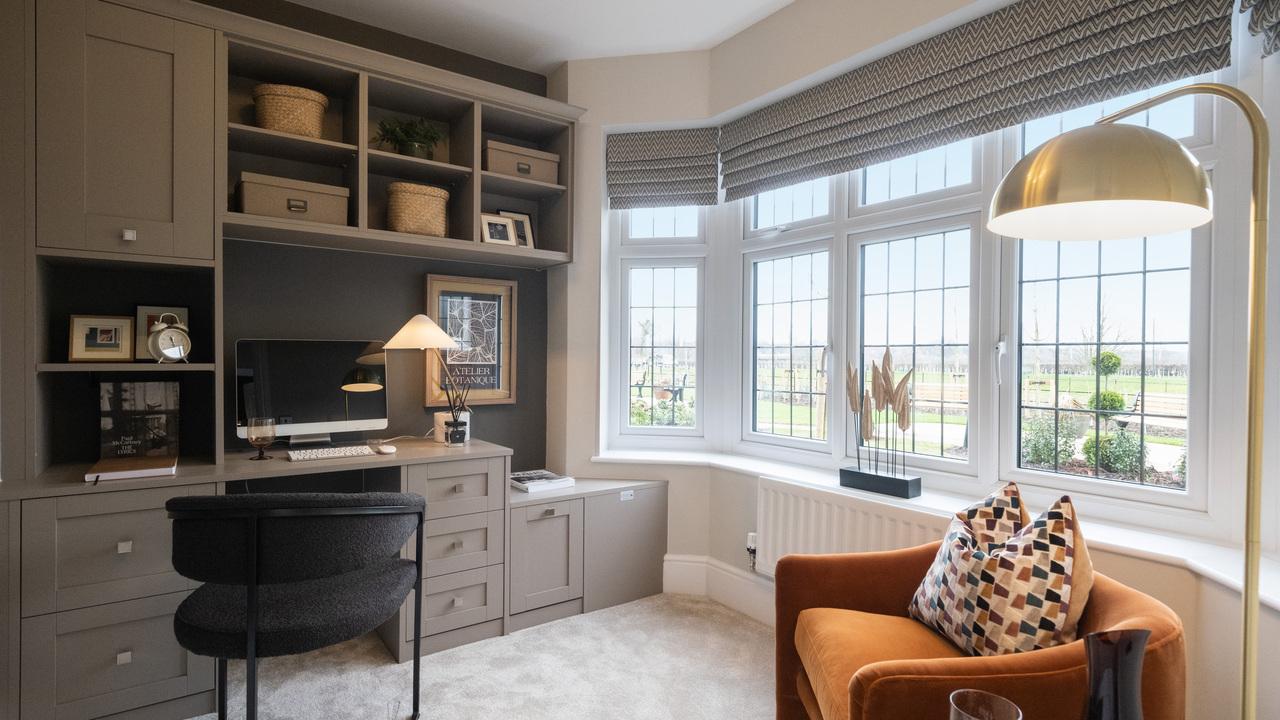
Flexible Spaces for Modern Living
Today’s homes need to do more than ever.
That’s why modern floor plans often include flexible areas that can adapt over time.
You might use a space as:
A home office
A playroom
A guest room
A flexible house layout allows your home to grow with you, which is often more valuable than simply having extra square footage.
Choosing the Right Floor Plan for Your Life
When comparing house plans, it’s easy to focus on numbers.
But the better question is:
Does this layout actually work for my life?
Think about:
Your daily routine
Your family’s needs
How you use your space
The best home floor plan is one that feels natural, comfortable, and easy to live in—not just one that looks big on paper.
Final Thoughts
Square footage will always be part of the conversation when choosing a home.
But it shouldn’t be the most important factor.
A well-designed floor plan layout can:
Make a smaller home feel larger
Improve everyday living
Reduce wasted space
Adapt to your lifestyle
So next time you’re browsing house plans or saving ideas on Pinterest, take a closer look at the layout first.
Because in the end, it’s not about how much space you have—
it’s about how well your home works for you.