Choosing the Right House Plan: 5 Key Considerations Before You Build
Building a home is one of the biggest projects many people will take on, and the process starts long before construction begins. One of the most important decisions is choosing the right house plan. The layout you select will shape how your home functions, how comfortable it feels, and how well it supports everyday life.
A well-designed floor plan should do more than simply look appealing. It should make daily routines easier, maximize usable space, and create a natural flow between rooms. The best home layouts balance practicality with comfort so that every part of the house serves a purpose.
When reviewing house plans, it helps to think beyond square footage and focus on how the design will actually work for you and your family. Before choosing a plan, consider the following five factors.
1. Your Lifestyle and Daily Living Needs
Every household lives differently, which is why the best house plans for families are designed with real daily routines in mind. A layout that works perfectly for one family might not be ideal for another.
Start by thinking about how your home will be used throughout the day. Some families prefer open living areas where everyone can gather, while others prefer quieter spaces with more separation between rooms. If someone works from home, a dedicated office may be important. Families who enjoy entertaining may want larger kitchens or more connected living areas.
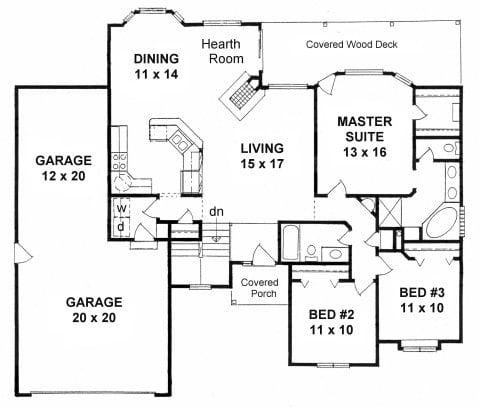
Good floor plan design focuses on how people move through the house. Ideally, common spaces like the kitchen, dining area, and living room should feel connected and easy to access. Bedrooms should provide privacy and a quieter environment away from the busiest areas of the home.
Storage is another important consideration. Well-designed homes include practical storage areas such as closets, pantry space, and utility rooms so that everyday items have a place to go.
When looking at different functional home layouts, imagine yourself living in the space. Consider where you would cook, relax, work, and gather as a family. A house plan that fits your lifestyle will make everyday living more comfortable and convenient.
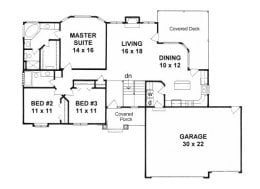
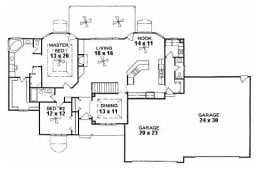
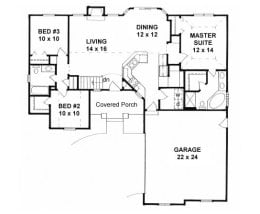
View more of our open concept plans.



2. Avoiding Wasted Space
One of the most important elements of good home design is making sure that every square foot of the home has a purpose. Many house plans include areas that increase the overall size of the home without adding meaningful functionality.
A common example of this is long or over-sized hallways. While some hallway space is necessary, too much of it can create wasted space that adds to construction costs without improving how the home is used.
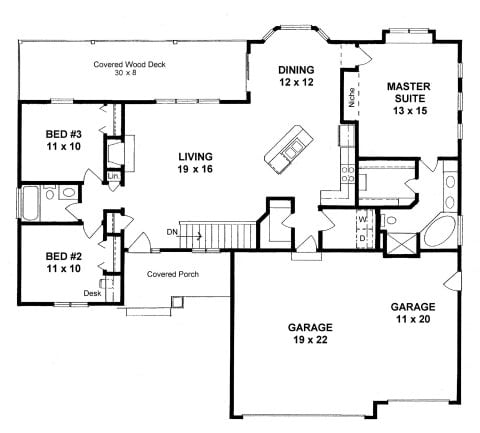
Designers who focus on efficient house plans aim to reduce these unnecessary areas by creating more direct connections between rooms. Instead of relying on long corridors, spaces are arranged so that rooms flow naturally from one to another.
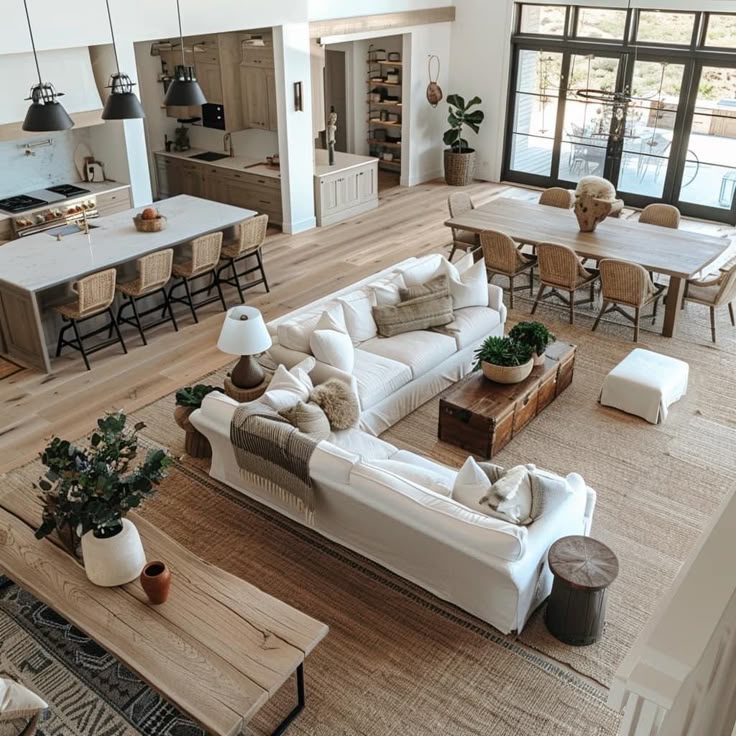
This approach often includes open layouts where the kitchen, dining room, and living room connect more seamlessly. Not only does this reduce wasted space, but it can also make the home feel larger and more inviting.
Another way smart floor plan layouts avoid wasted space is by incorporating useful features into areas that might otherwise go unused. Built-in storage, closets, or shelving can transform small transitional spaces into something practical.
Some designers make eliminating wasted space a central philosophy in their work. Rather than increasing square footage unnecessarily, they focus on creating no wasted space home designs where every part of the home contributes to how the family lives.
For homeowners, this means getting the most value from the space they are building.
3. Choosing the Right Home Size
When reviewing house plans, it is easy to focus primarily on square footage. However, the size of the home is only one part of the equation. A larger house is not always the best solution if the layout is inefficient or difficult to maintain.
Choosing the right size home means balancing comfort with practicality. Think about how many bedrooms and bathrooms are truly needed, as well as how much living space your family uses on a daily basis.
Maintenance is another important factor. Larger homes require more cleaning, higher heating and cooling costs, and often more upkeep over time. In many cases, small but efficient homes can feel just as spacious as larger ones when the layout is designed well.
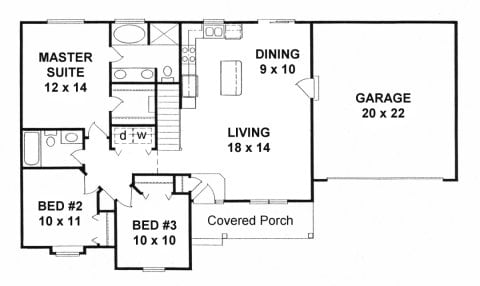
Smart home design focuses on making the most of the available space. Well-placed storage, thoughtfully sized rooms, and efficient layouts can help a home feel comfortable without unnecessary square footage.
Instead of asking only “How big should the house be?”, it can be more helpful to ask “How well does this space work?”
4. Designing for Your Lot
The land your home is built on plays a significant role in determining which house plans will work best. A design that looks perfect on paper may need adjustments depending on the size, shape, or terrain of the lot.
For example, narrow lots may require more compact floor plan layouts, while wider properties allow for different design options. Sloped land may affect where the entrance, garage, or foundation is placed.
Natural light is another important consideration. Positioning living spaces where they can receive sunlight during the day can make a home feel brighter and more welcoming. Windows placed to capture views or outdoor scenery can also improve the overall design.
Local building regulations, setbacks, and zoning rules may also influence which home layouts are possible on a particular property.
Taking the time to match the house plan to the characteristics of the land helps ensure that the finished home feels well balanced with its surroundings. Try our lot fit analysis tool to determine if your house plan will fit on the lot you are building on.
5. Planning for the Future
A home should meet your needs today, but it should also remain practical in the years ahead. When selecting flexible house plans, it helps to think about how life might change over time.
Families may grow, children eventually move out, or new needs such as a home office may arise. A thoughtful adaptable home layout allows the space to adjust as circumstances change.
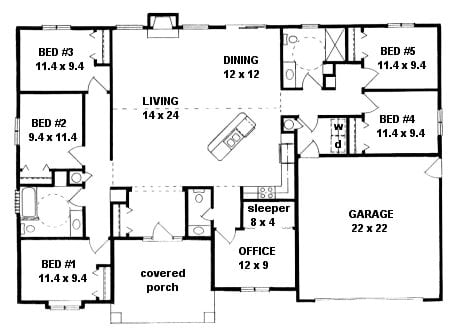
For example, a spare bedroom might serve as a guest room now but could later become an office or hobby space. A flexible room near the main living area might work as a playroom while children are young and later transition into a study area.
Planning ahead can also include features that make a home easier to live in long term, such as accessible layouts or rooms that can serve multiple purposes.
By considering future needs when reviewing house plans, homeowners can select designs that remain useful and comfortable for many years.
Final Thoughts
Choosing the right house plan involves more than simply selecting a design that looks appealing. The best homes are carefully planned to support everyday living, maximize usable space, and adapt to changing needs over time.
By considering lifestyle, avoiding wasted space, selecting the right home size, designing for the lot, and planning for the future, homeowners can choose efficient house plans that truly work for them.
A well-designed floor plan ensures that every part of the home serves a purpose, creating a space that feels both practical and comfortable for years to come.