12 Things to Do Before You Start Building Your Dream Home
Building a home is exciting. It’s also one of the biggest financial and emotional investments most people will ever make. Before the first shovel hits the ground, there are several important steps that can save you stress, delays, and costly mistakes later on.
If you’re in the planning stage, here are the key things you should do before you start building.
1. Be Honest About Your Budget
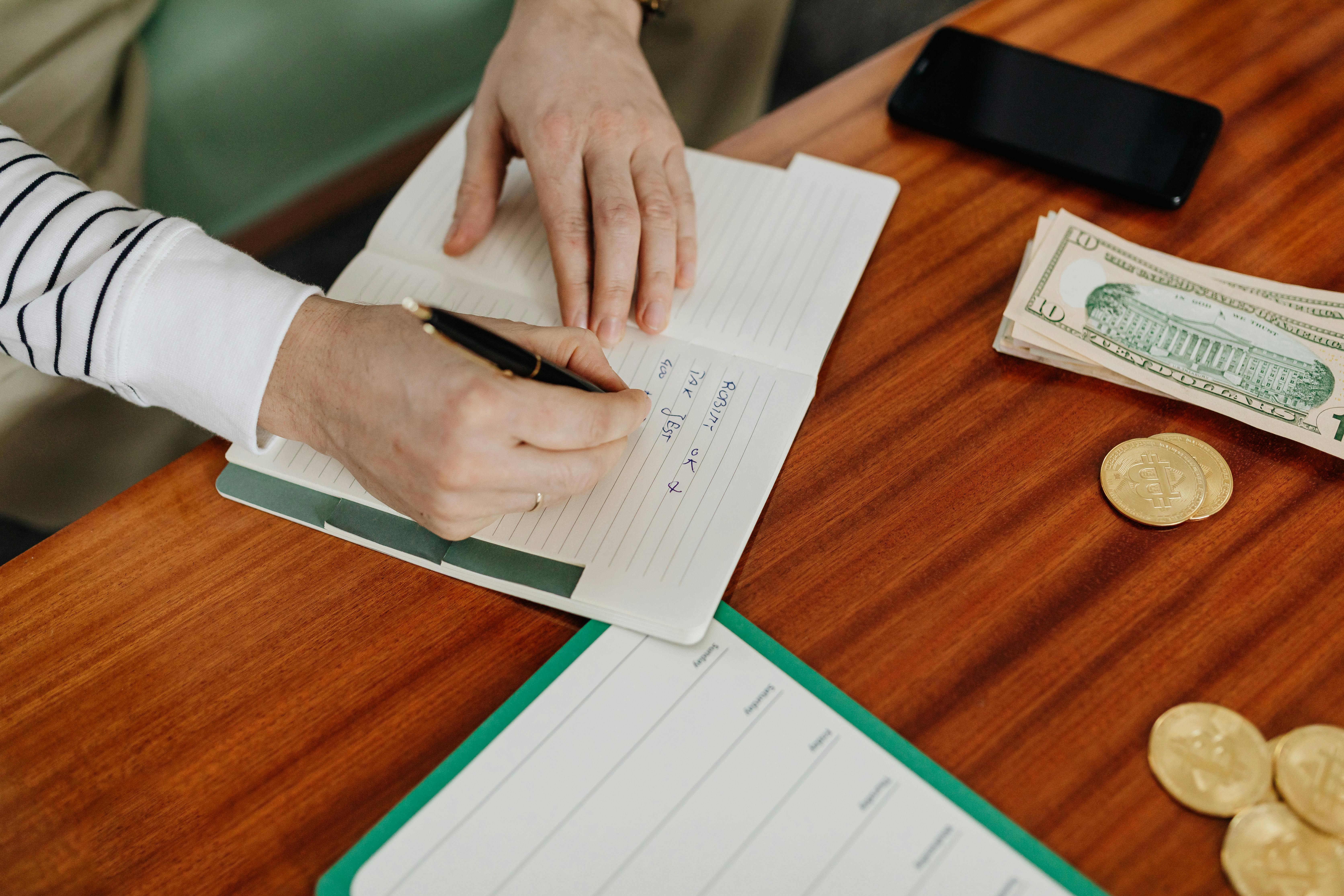
Before falling in love with floor plans and finishes, sit down and work out what you can realistically afford.
Remember to include:
Land costs
Site preparation
Permits and fees
Utility connections
Driveways and landscaping
Interior finishes and upgrades
Furniture and appliances
A contingency fund for unexpected costs
Many people budget only for the build itself and forget the “hidden” expenses that come later.
A good rule? Leave room in your budget for surprises. There are almost always surprises.
2. Think About How You Actually Live

It’s easy to get distracted by beautiful photos online, but your home should fit your lifestyle — not just look good in pictures.
Ask yourself:
Do you cook often?
Do you need storage everywhere?
Do you work from home?
Will kids be sharing bedrooms?
Do you host family gatherings?
Do you need quiet spaces?
How much cleaning and maintenance do you realistically want?
The best homes are designed around daily life.
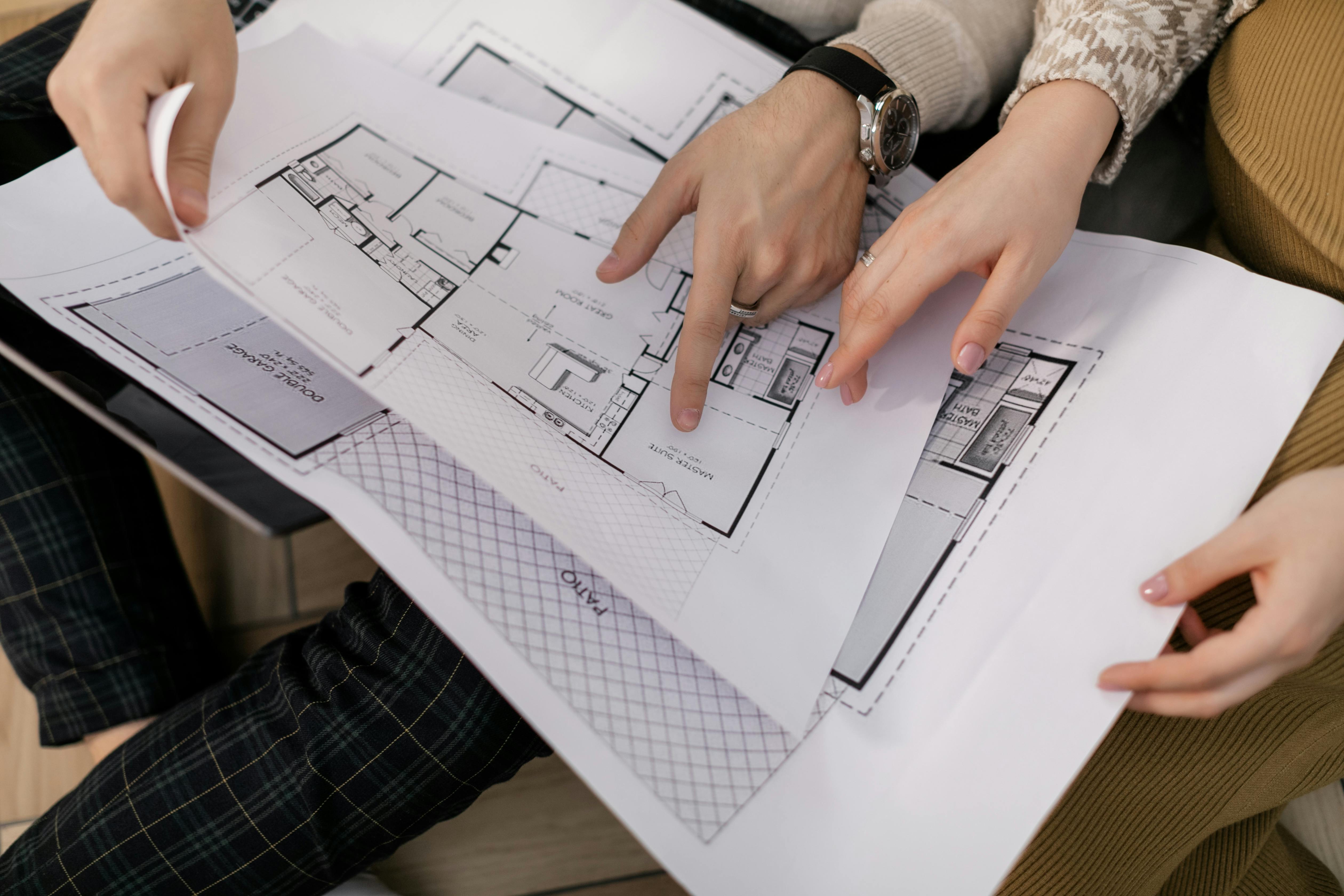
3. Choose the Right Floor Plan
.jpg)
A floor plan can look perfect on paper and still feel wrong in real life.
Pay attention to:
Traffic flow
Bedroom placement
Natural light
Storage space
Laundry room location
Pantry size
Noise between rooms
Future flexibility
Try imagining yourself walking through a normal day in the house. Where will shoes pile up? Where will backpacks go? Can someone watch TV while another person sleeps?
Those details matter more than fancy features.
4. Research Your Land Carefully
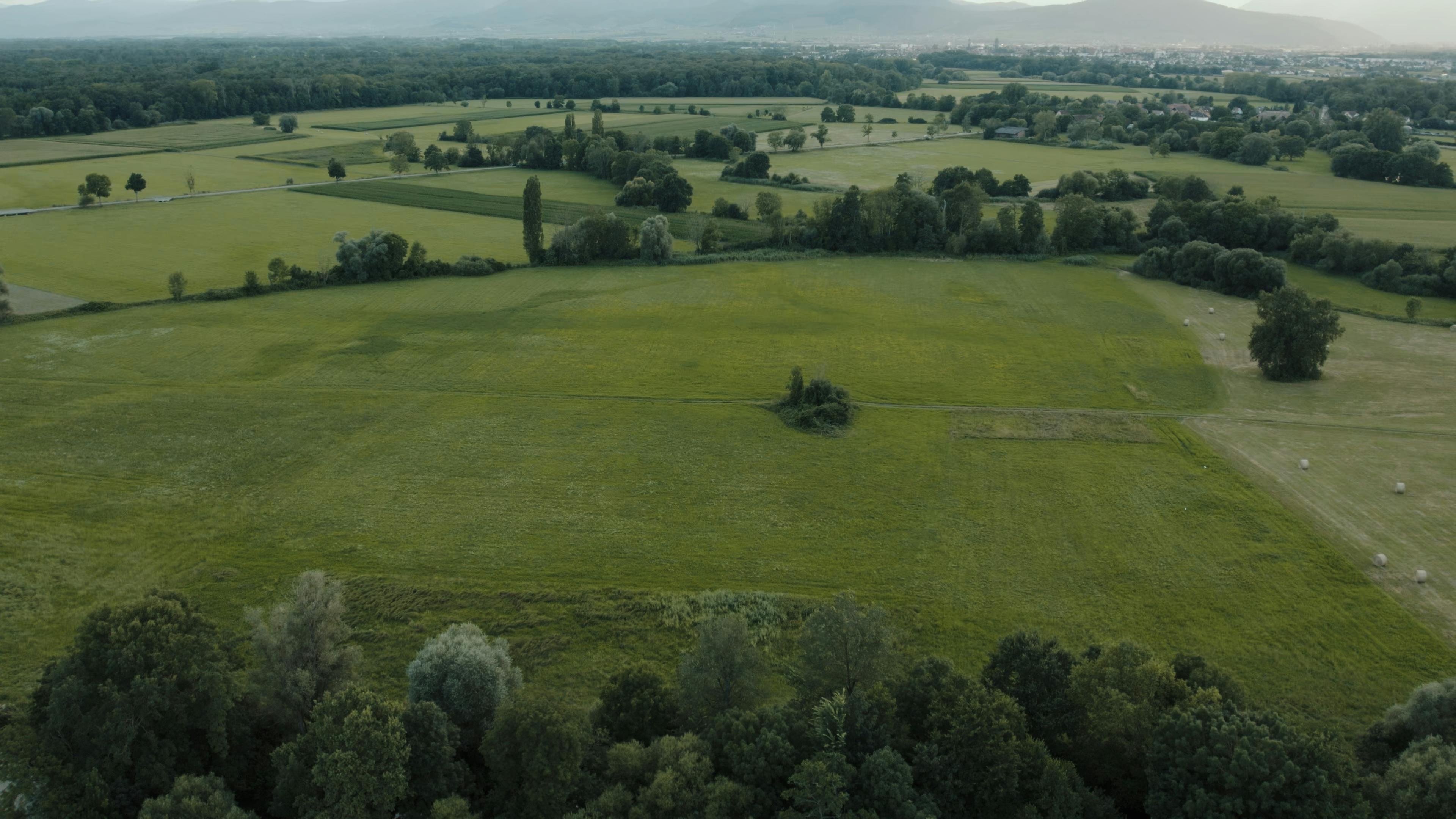
Not every piece of land is easy to build on.
Before buying, investigate:
Drainage issues
Flood zones
Soil conditions
Slope and grading
Access to utilities
Septic requirements
Local restrictions and easements
A cheaper lot can quickly become expensive if major site work is needed.
5. Learn Your Local Building Rules

Every area has different rules and regulations.
Check:
Setback requirements
Height restrictions
HOA rules
Planning permissions
Building codes
Permit timelines
Understanding these early can prevent redesigns and delays later.
6. Prioritize Storage From the Beginning
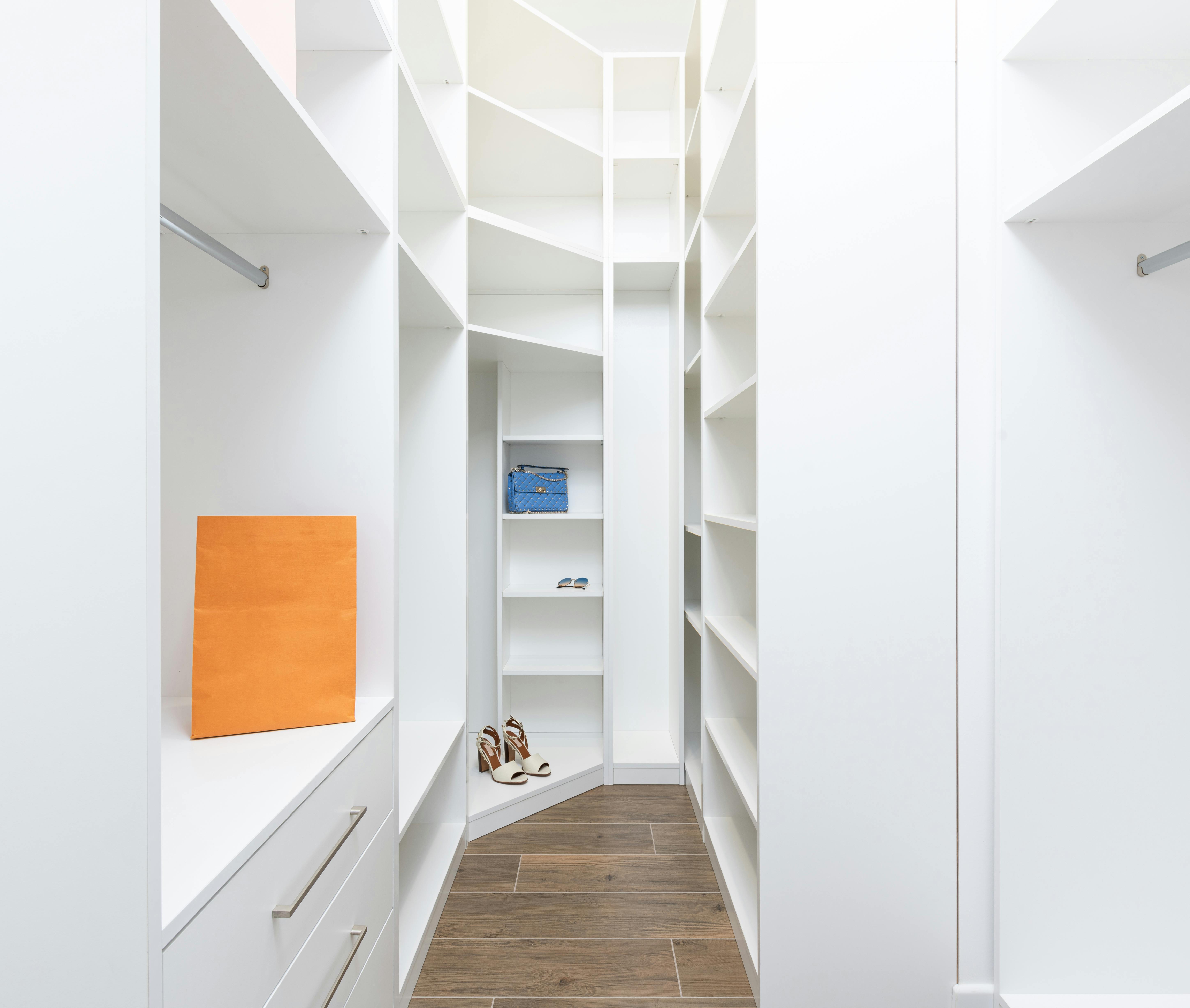
People rarely regret adding storage.
Think beyond bedroom closets:
Walk-in pantry
Linen storage
Garage storage
Coat closets
Cleaning supply storage
Seasonal item storage
Good storage keeps a home functional long after the excitement of moving in fades.
7. Plan for the Future — Not Just Today

Your needs may change faster than you think.
Consider:
Growing children
Aging in place
Future mobility needs
Guests or extended family
Home office needs
Resale value
Even if this is your “forever home,” flexibility matters.
8. Don’t Underestimate Lighting
.jpg)
Lighting changes everything.
Before building, think about:
Window placement
Morning vs afternoon sun
Overhead lighting
Task lighting
Outdoor lighting
Natural light in main living spaces
A well-lit home feels larger, warmer, and more inviting.
9. Decide What’s Worth Splurging On
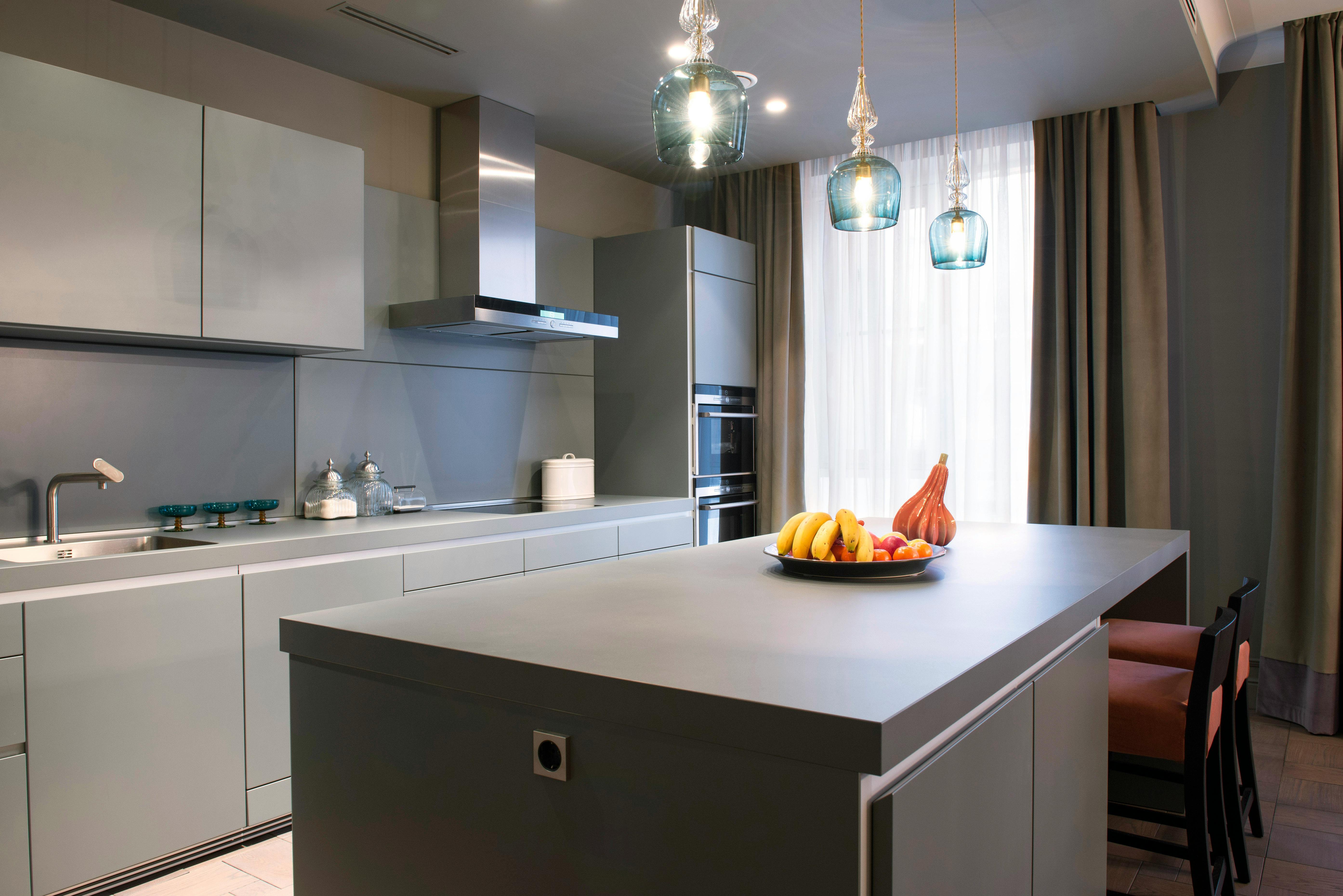
Some upgrades are easier to add later. Others are much harder once the home is finished.
Usually worth prioritizing during the build:
Extra insulation
Better windows
Kitchen layout
Electrical outlets
Plumbing locations
Ceiling height
Structural upgrades
Decor can change later. Structure is harder to fix.
10. Interview Builders Carefully
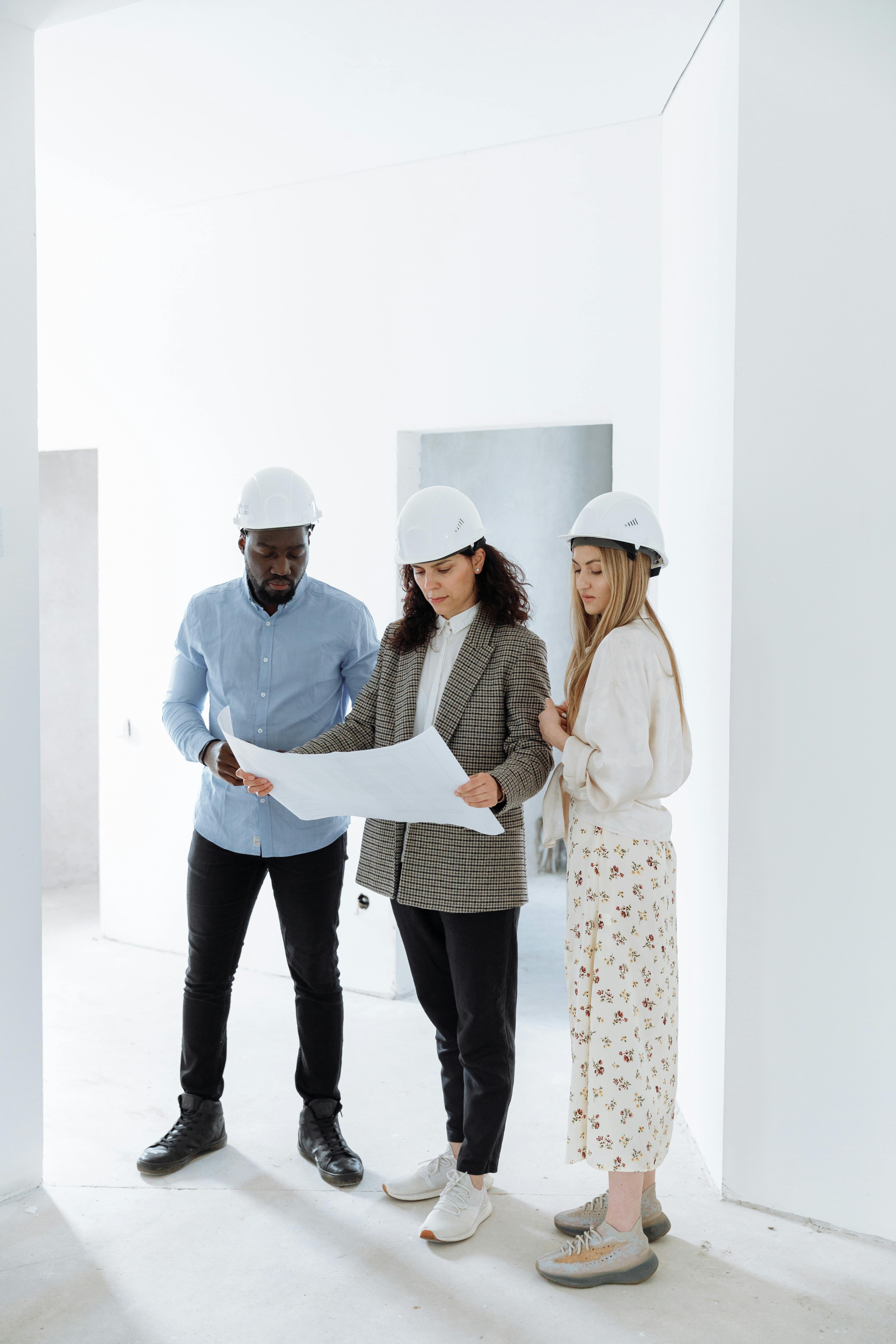
Do not choose a builder based only on price.
Ask:
Can you see previous work?
How is communication handled?
What happens if timelines change?
What’s included in the quote?
How are changes managed?
What warranties are offered?
A good builder can make the process smoother. A bad one can turn it into a nightmare.
11. Expect Decision Fatigue
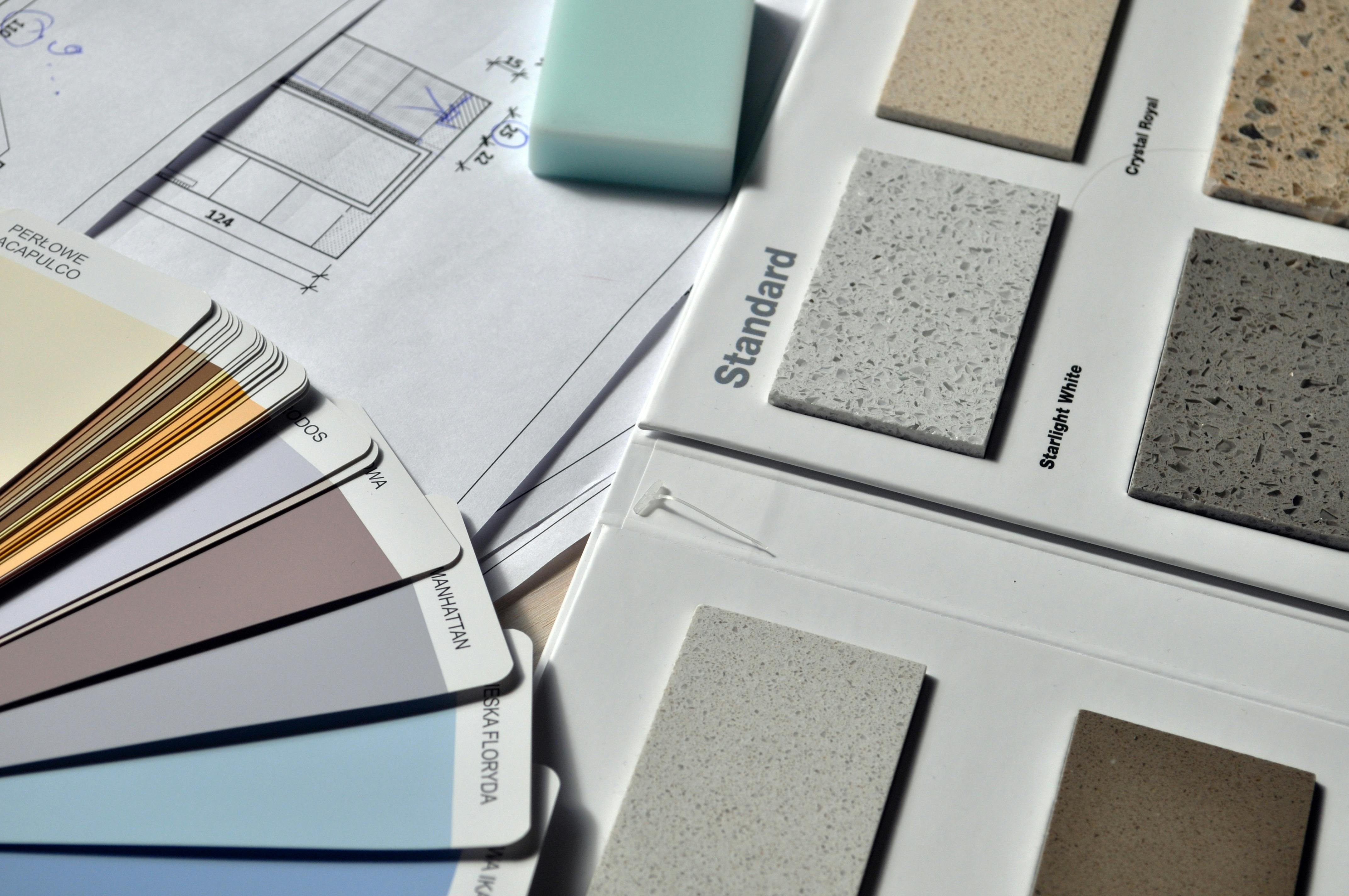
Building a home involves hundreds of decisions.
Paint colors. Cabinet handles. Tile. Flooring. Lighting. Faucets. Door styles. Trim. Hardware.
It becomes overwhelming quickly.
Creating a clear vision board or style plan early can make decisions much easier later.
12. Remember: Perfect Doesn’t Exist

Every home involves compromise.
Maybe the pantry is smaller than you hoped. Maybe the budget doesn’t allow vaulted ceilings. Maybe the dream soaking tub gets cut.
That’s normal.
Focus on creating a home that works well for your family, your routines, and your future. That’s what truly matters.
Final Thoughts
Building a home is exciting, stressful, rewarding, and unforgettable all at once. The more preparation you do before construction starts, the smoother the process will be.
A beautiful home starts long before the foundation is poured — it starts with careful planning, realistic expectations, and thoughtful decisions.